







Complete guide to land mortgages: how much money banks lend and how to apply

More and more people are choosing to build their dream home from scratch — a custom design, the perfect plot, and full control over every detail of the project.
But one big question always comes up: how do you finance the purchase of the land? Is there a specific type of mortgage for that?
The answer is yes, but with a few conditions.
Here’s a complete guide explaining how land mortgages work, what requirements banks usually ask for, and what alternatives exist if you’re thinking about buying a plot on the Costa Blanca or Costa Cálida.
What Is a Land Mortgage?
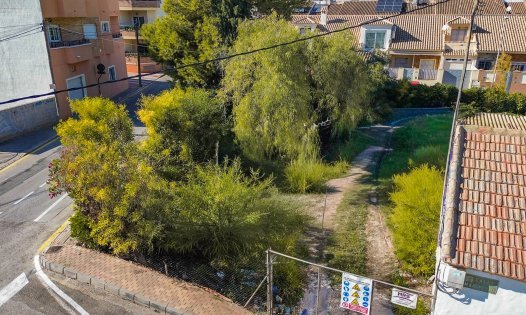
A land mortgage is a loan that banks or financial institutions grant specifically to purchase a plot of land — whether it’s rural, urbanizable, or urban.
Unlike traditional mortgages (which are backed by a built property), a land mortgage is considered higher risk because the land itself doesn’t produce income or hold the same resale value as a finished house.
For that reason:
- Not all banks offer them.
- Interest rates are typically higher.
- Repayment terms are shorter (usually between 10 and 20 years).
- The loan amount usually covers only 40–60% of the property’s appraised value.
What Do You Need to Apply?
If you’re planning to apply for a land mortgage, preparation is key — the bank will want to see a well-documented, realistic plan.
1. Land Documentation:
- Title deed or purchase contract.
- Urban planning certificate (to confirm the land is suitable for construction).
- Official cadastral reference or plot map.
2. Your Financial Profile:
- Good credit history.
- Stable income and low debt ratio.
- Enough savings, since the bank won’t finance the full amount.
3. Construction Project (optional but recommended):
If you already have plans to build your home, include the basic architectural project, budget, and building license.
This will help the bank see your commitment and may improve your chances of approval — or even allow you to transition later to a self-build (construction) mortgage.
Pro tip: The more documentation you provide — plans, permits, budgets, valuation reports — the more trust you build with the bank. A detailed and realistic project always works in your favor.
How Much Can You Borrow?
Most banks won’t lend more than 50% of either the appraised value or the purchase price (whichever is lower).
In some exceptional cases (if you have excellent solvency or multiple products with the same bank), financing might reach up to 70%, but that’s rare.
You’ll need to cover the remaining cost with your own savings, plus additional expenses such as:
- Notary and registration fees.
- Property taxes.
- Appraisal costs.
- Legal and administrative expenses.
Which Banks Offer Land Mortgages — and What Are the Alternatives?
Currently, few banks offer mortgages specifically for land, but there are several possible paths to explore:
1. Negotiate directly with your regular bank
If you already have a good relationship (salary deposit, insurance, or existing mortgage), you might be able to get customized terms.
2. Personal Loan
A faster option but usually with higher interest rates and shorter repayment periods (up to 10 years). Ideal for smaller plots or partial financing.
3. Mortgage-Backed Loan
If you already own a home that’s fully paid off, you can use it as collateral to buy land.
Warning: If you fail to make payments, you could lose your existing property — so this option should be used carefully and with proper advice.
4. Self-Build (Construction) Mortgage
If your goal is to build a house, this type of mortgage can cover both the purchase of the land and the construction costs.
Funds are usually released in phases as the building progresses, and it can be more advantageous in the long term.
Key Factors to Consider
- Land Type: Banks prefer urban plots with access to utilities such as water, electricity, and sewage. Rural land is harder to finance.
- Appraisal: A professional valuation of the land is mandatory. The higher and more stable the value, the better terms you can negotiate.
- Initial Costs: Between down payment, taxes, and fees, you should expect to have at least 50% of the total costavailable upfront.
- Future Construction: If you plan to build soon, prepare your documentation early — construction mortgages require extra paperwork and permits.
In Summary
Yes, it’s possible to get a mortgage for land — but it’s usually harder to obtain and more expensive than a standard mortgage for a home.
To qualify, you’ll need:
- Strong financial stability.
- A buildable (urban or urbanizable) plot.
- A clear and realistic plan for your project.
If your dream is to build your home on the Costa Blanca or Costa Cálida, at Munfort we can help you find the ideal plot and guide you through the financing process.
Don’t hesitate to contact us if you have any questions — Munfort Real Estate is here to help you.
 Facebook
 Linkedin
 Twitter
 Email
Email









 Call
Call