






How to Save Water at Home: Practical Tips Many Homeowners Still Don’t Know
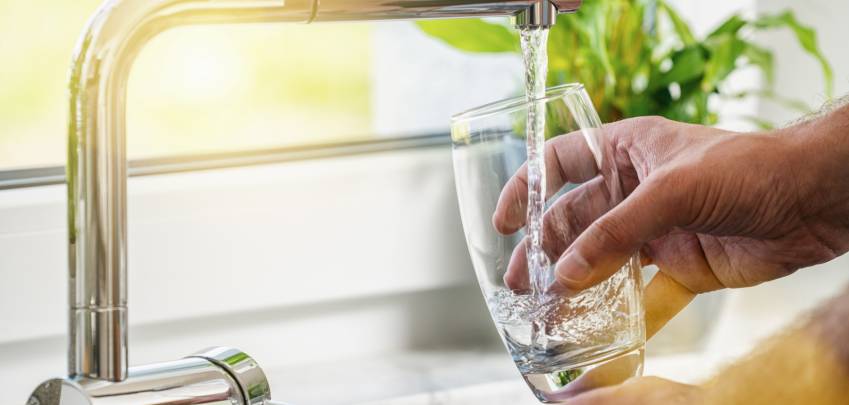
In today’s context, optimising water consumption at home not only helps reduce expenses but also improves the overall efficiency of the property. As a real estate agency, we often notice a common pattern: most homeowners and tenants follow basic tips, yet they’re unaware of simple adjustments that can significantly enhance water use without major investments.
Below, we share some lesser-known recommendations that can be applied to any type of property —whether it’s a flat, detached house, holiday apartment or rental— and that offer real value for those who want to keep their home running efficiently.
Practical adjustments to improve water efficiency at home
Optimise the use of single-lever taps
Many taps activate hot water unnecessarily when the handle sits in the central position. This causes wasted water while waiting for the correct temperature and unnecessary energy use. Keeping the handle on the right-hand side (cold only) avoids triggering the boiler for quick tasks like washing your hands.
Reduce water pressure to prevent hidden overuse
Homes in higher floors or areas with strong pressure often have more flow than needed. Installing a pressure reducer is inexpensive and lowers water use across the entire house, from the shower to the kitchen sink.
Avoid water loss while waiting for hot water
When the boiler is far from the bathroom, several litres can be lost every time the shower is turned on. A hot-water recirculation system ensures water reaches the correct temperature faster, preventing this constant waste.
Adjust the boiler temperature
The higher the boiler’s temperature, the longer it takes for hot water to reach the tap. Lowering it by a few degrees speeds up heating and reduces both water and energy consumption.
Maintain water-using appliances properly
Dishwashers and washing machines with dirty filters or worn parts tend to consume more than their energy label indicates. A quick check every few months (cleaning filters, seals and injectors) reduces water use without replacing the appliance.
Install advanced aerators
Traditional aerators are helpful, but modern micro-bubble or fine mist systems reduce water flow even further without affecting pressure. They’re inexpensive, discreet and highly effective.
Adjust the toilet cistern without replacing it
Most modern cisterns allow you to regulate the float level to reduce the amount of water used per flush. This simple adjustment is often overlooked and avoids unnecessary installations.
Reuse water without changing your routine
When rinsing fruit or vegetables, small collection trays can be placed under the drainer. They’re subtle and allow you to reuse this water for plants or cleaning without buckets left in sight.
Water plants with lukewarm water and use light-coloured pots
Plants absorb lukewarm water more efficiently, meaning they require watering less frequently. Light-coloured pots also reduce evaporation —especially useful for sunny balconies and terraces.
Why these tips matter for owners and tenants
-
They reduce monthly water and energy bills.
-
They improve home efficiency without renovations.
-
They help prevent issues caused by excessive pressure or wear.
-
They enhance comfort, especially in rental properties.
-
They increase property appeal when selling or renting by presenting it as an “optimised home”.
 Facebook
 Linkedin
 Twitter
 Email
Email














 Call
Call